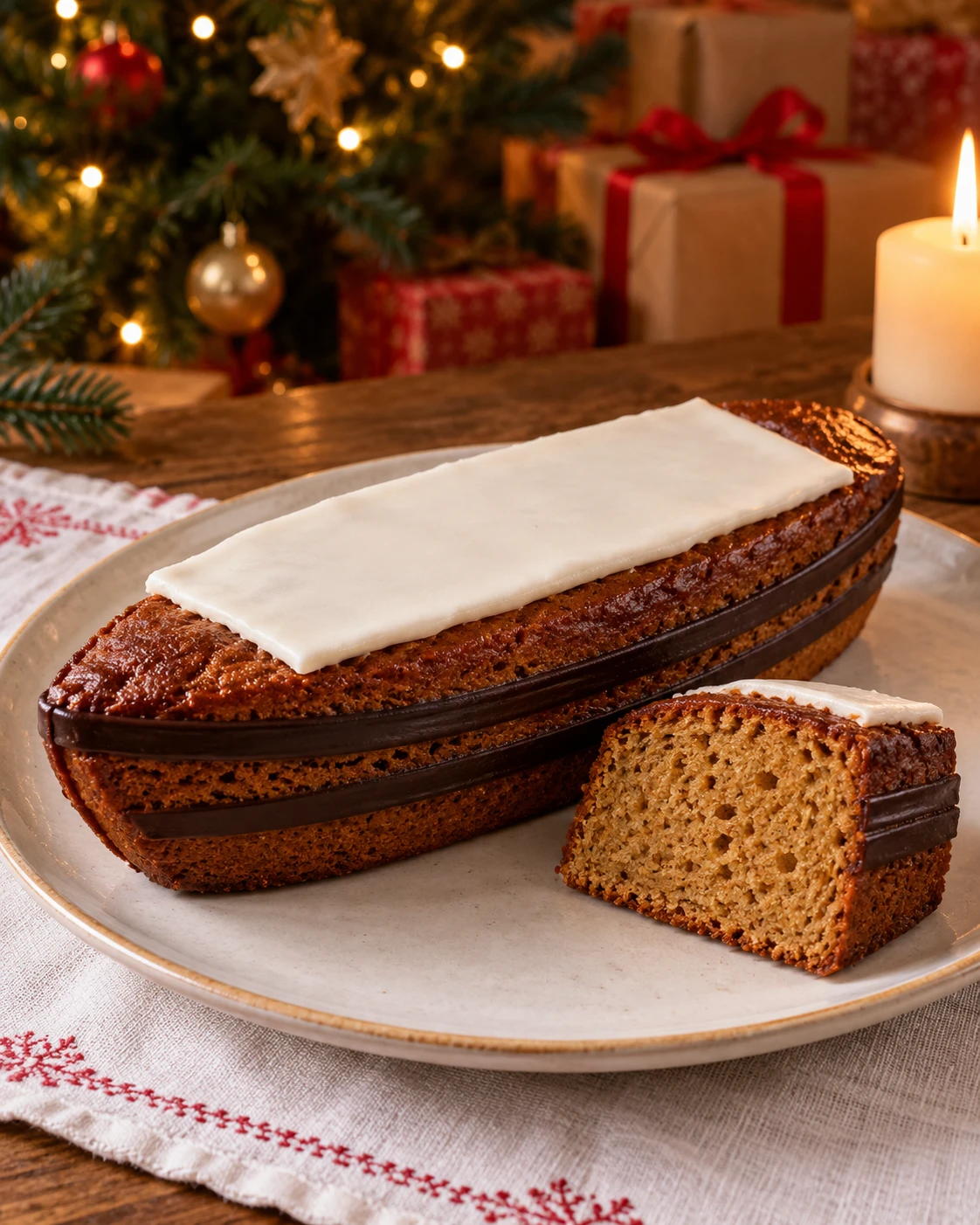
Straw Hat Panettone
Brioche / orange / milk chocolate
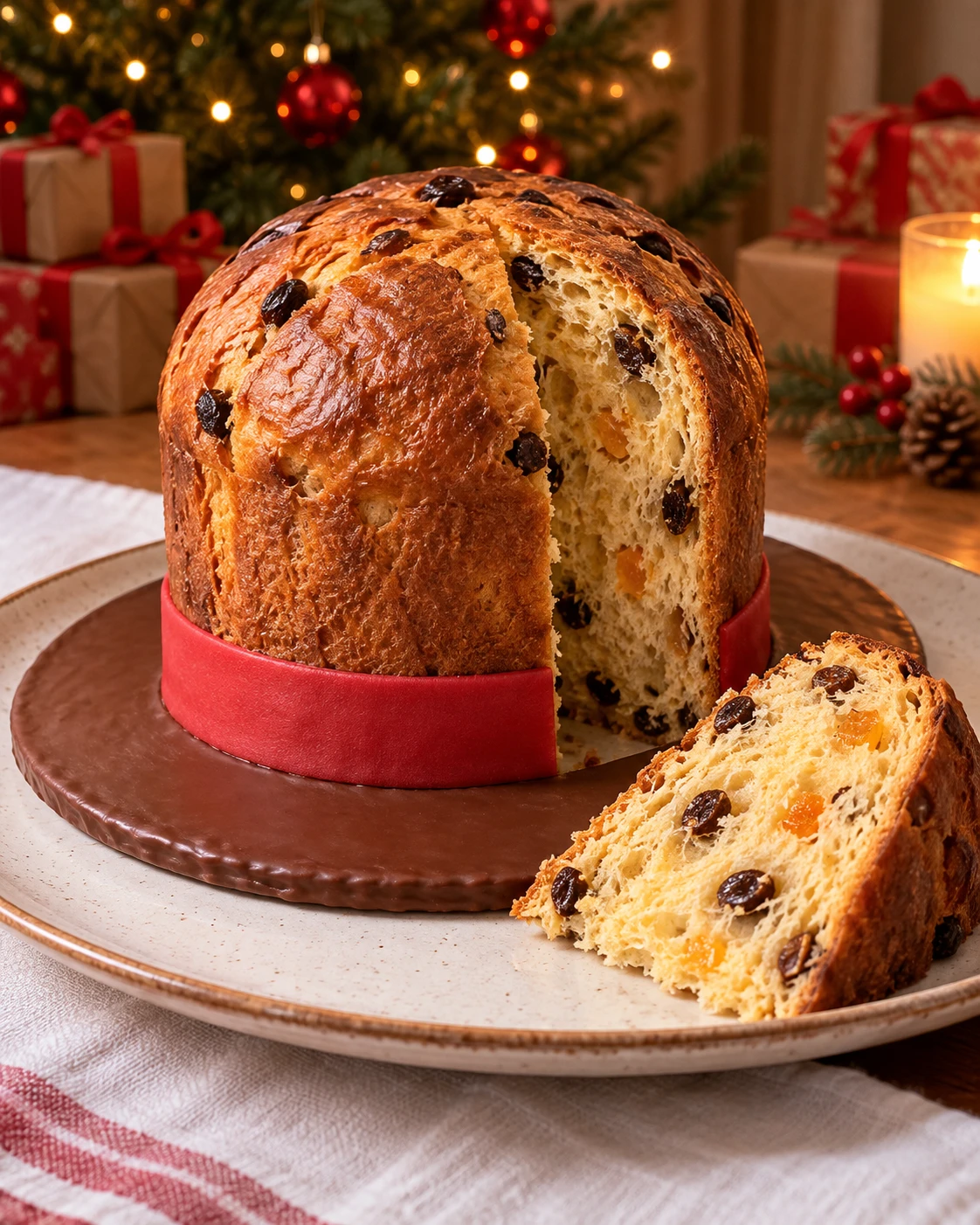
The captain's hat is divided.
Kitchen Mode and Timer
Keep the recipe at hand during preparation.
Enables JavaScript to use the kitchen tools.
Visual Timer: Keeps this page open. It does not sound an alarm. The cooking remains to be monitored.
That's all you need!
Equip me with a pack.If you miss something, choose your ingredients from Monoprix and your utensils on Amazon. Adjust the quantities to your guests, then uncheck what you already have.
Choose the number of guests and uncheck what you already have at home.
This sheet indicates a yield in parts or in weight. Specify your basis for calculating the races.
Your selection contains only the checked items. Check products and availability at Monoprix for ingredients, on Amazon for utensils.
Amazon Affiliate Links. As an Amazon Associate, I earn from qualifying purchases.
Your choices are memorized on this device.
It's up to you.
17 detailed steps from preparation to service.
Prepare the ingredients and the mold
Install the robot with its hook, a scale, a small saucepan, a thermometer and a 1.5 kg paper pan on a plate. Take out the 140 g of butter from the dough so that they are soft and dice them. Reserve separately the 10 g of butter for the top: they will not be kneaded in the dough.
Prepare the fruit and zest
Weigh 120 g of raisins and 100 g of candied orange peel. Separate the raisins and dice the peel into pieces about 5 mm across. Wash and dry the untreated orange; only graze its orange part, avoiding the bitter white layer. Keep the fruit, zest and vanilla teaspoon aside until the end of kneading.
Tie the milk and break the eggs
Measure the 150 ml of milk and heat them very gently to reach about 30 ° C. Check the package leaflet for 8 g of dry yeast; if it requires rehydration, use this milk and respect the indicated time. Break 3 eggs one by one in a small bowl, remove any piece of shell, then beat them with a fork for 20 to 30 seconds to mix white and yolks. Too hot milk would damage the yeast: check its temperature before pouring it.
Start kneading without butter
Pour 450 g of strong bread flour or T45, 100 g of sugar and 5 g of salt into the bowl of the robot and mix quickly. Add milk, yeast and three beaten eggs. Turn the hook on at a low speed to avoid splashing, then knead for about 10 minutes until the dough gathers and begins to stretch.
Add the butter in three portions
Visually divides 140 g of soft butter into three servings. Add the first to the slow-moving robot and wait for it to be almost incorporated; do the same with the next two. Then knead for another 10 to 15 minutes. Scrape the bottom if necessary: the dough should become supple and elastic, with a smoother surface, without separate puddles of butter.
Check the dough and add the fruit
Take a small piece and gently stretch it between the fingers: it must form a thin membrane before tearing. If the dough breaks immediately, knead for another 2 minutes and check again. Add the raisins, peel, orange zest and vanilla. Mix for only 1 to 2 minutes to distribute the fruit without crushing it.
Leave for the first rise
Gather the dough at the bottom of the bowl, cover it and mark the initial level. Let rise for about 2 hours in a room around 24 °C, away from drafts. The dough should double in size. If it has barely risen, give it more time before proceeding. Do not place the bowl on a hot radiator.
Form the ball and place it in the mold
Gently press the raised dough to chase away the big bubbles. On a clean worktop, flap four edges towards the center and then turn the dough, soldered underneath, to form a ball. Lift it with both hands or a dough scraper and place it in the paper mould. The pan should remain on its baking tray for the entire time it is lifted and cooked.
Leave for the second rise
Cover without tightening to prevent the surface from drying out. Let it rise for about 1 h 30 to 2 hours, until the dough arrives about 2 cm below the edge of the mold. Don't squeeze the dough at this point. At the end of the rise, preheat the conventional oven to 170 °C (no fan), with a rack low enough to leave room for the dome.
Cut the top and add the reserved butter
Discover the mold. With a fine sharp knife, draw a shallow cross, a few millimeters deep, on the top without pressing on the whole dome. Cut the 10 g of reserved butter into small pieces and place them in the center of the cross. Slips the baking sheet into the oven gently so as not to cause the dough to fall back.
Cook to the heart
Cook for 45 to 55 minutes at 170°C. From 25 minutes, look at the coloration; if the top is already well golden, cover it slightly with baking paper. At about 45 minutes, insert the probe in the center of the brioche, without touching the mold: aims at about 93 ° C at heart. If necessary, continue for 5 minutes and then check again.
Cool completely before the decor
Take out the plate with oven gloves and place the panettone in its mold on a wire rack. Wait at least 3 hours, until it is cold in the heart; a large panettone may require more. Remove the paper only after cooling so as not to pull out the crumb. This yeast version gives a brioche: do not cut the hot brioche to try to accelerate this wait.
Preparing the hat edge pattern
Draws two concentric circles on the back of a sheet of baking paper: 24 cm for the outside and 16 cm for the inside. Place the sheet on a flat plate. Chop 180 g of milk chocolate with a knife and put it in a small, perfectly dry bowl. Place the bowl on a saucepan containing 2 cm of barely simmering water, without the bottom of the bowl touching the water. Stir gently with the spatula and remove the bowl as soon as the pieces are almost melted; continue to stir off the heat. Wipe the bottom of the bowl before moving it: no drop of water should enter the chocolate. Stir one last time out of the bath and keep a little chocolate in the bowl for possible occasions from the edge.
Casting a ring supported by the plate
With a spoon, spread the milk chocolate between the two circles and spread it about 3 mm thick with a small spatula. Check that the ring is continuous, especially near its inner edge. Let it take 45 to 60 minutes in a cool room. Get the excess pellets on the paper; do not over-thicken the hat edge to use everything.
Forming the red ribbon
Briefly knead the 50 g of food red marzipan, then spread them between two sheets of baking paper about 3 mm thick. Cut a strip 2 cm wide and long enough to surround the base about 18 cm in diameter; assembles several strips edge to edge if necessary. Collect the offcuts and roll them into small bites to be served separately rather than stacking them on the ribbon.
Assemble the hat without support
Take off the ring by folding the paper, support it with two spatulas and place it directly on the serving plate. Place the cold panettone in the center: the brioche edge slightly covers the inside of the ring, and the chocolate remains fully supported by the dish. Apply the red ribbon to the foot of the brioche by gently pressing with your fingers, then join the two ends at the back.
Mark the straw and prepare the service
With a fork, make a few light passages on the crust of the dome to evoke large streaks, without tearing off the crumb and without covering the top. Let the set rest for 20 minutes to stabilize the ribbon. To serve, cut the brioche with a bread knife, then break the chocolate edge into pieces on the dish; do not try to lift the cake by the ring.
Conservation. 3 days well packed at cool room temperature.
Namely. Recipe proposal: follow the quantities and texture marks of the card. Indicative times. The rendering depends on the ingredients and materials used. The objects of the photographic decoration remain out of the dish.
Baking tips for this recipe
- Weigh the yeast and uses the type indicated in the recipe: yeast and yeast are not interchangeable.
- Observe the increase in volume during shoots. A cool room can lengthen the times indicated.
- Respect the dimensions of the mold and the amount of dough: a brioche too tight or too full does not cook in the same way.
Substitutions and variations
Blond or brown raisins can be used at the same weight; retains the soaking step when it is planned.
To vary a zest, choose another citrus fruit washed and intended for this use, keeping the same amount. Does not automatically replace juice, whose acidity can change the preparation.
More treats for your Christmas table
Recipes that share ingredients or the same preparation family.